> Development > Rural enterprises and Conservation


Sailen Phukan, a dedicated tea producer in Tingkhong in Assam's Dibrugarh district, who runs the Latumoni Tea, started his tea entrepreneurial journey by teaching himself, how to make handcrafted tea by watching YouTube videos back when he had 2G internet. After he realized that his tea turned out well, it gave him confidence and made him move forward as he witnessed repeated customers.
Partnering with SELCO foundation — a non-profit organization— was another defining moment for him. SELCO foundation is a public charitable trust in India dedicated to alleviating poverty and improving livelihoods through sustainable energy resources, while helping rural entrepreneurs with branding and marketing.
He shared that, "The production losses went from high to zero as they helped with better equipment and energy costs". In today's economic story major spotlights are given to the metropolitan cities whereas rural enterprises are over shadowed with little to no spotlights. They are also greatly affected by the competition of big or global enterprises, “About 10 years ago, prices dropped so low—even to Rs.1 per kg—that we couldn’t survive. We started making our own tea so we could store it for up to a year, which gives us time to find better markets and increases the tea’s value," he lamented.
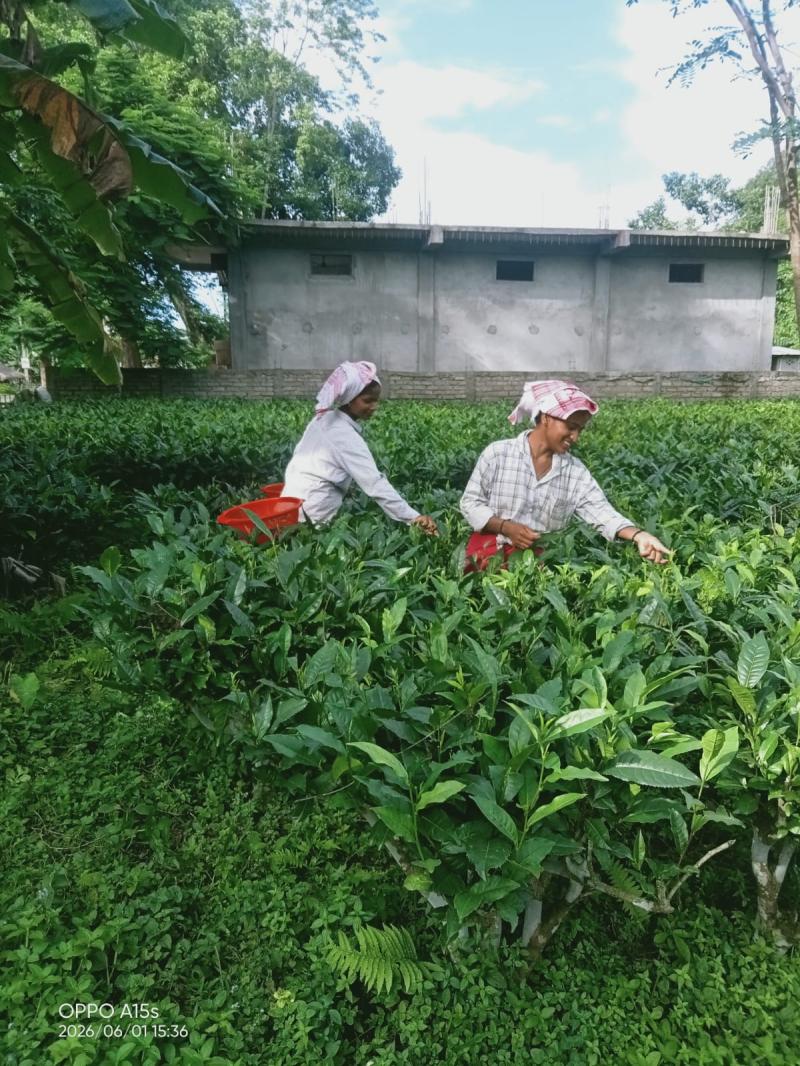 Photo courtesy Latumoni Tea
The journey of Dweller Teas in Manipur began with something personal. Its founder Elizabeth Yambem started small, she experimented with flavors and learned what these ingredients could do. She further explained, that many of the fruits and ingredients she grew up with were seasonal and was slowly disappearing from her everyday life, but she wanted to bring them back in a way people could return to a year-round.
At the same time, she saw this as a way to create opportunities. Steady, skill-based work could support year-round livelihoods for women makers, while also creating space for younger generations to stay and grow: “Our core mission is to make fruit and herbal teas with our women makers that leave people feeling a little lighter.”
It makes us understand that Growth is rooted in the land and guided by traditions. Entrepreneurs are turning resources to opportunities by focusing on chemical free and organic products like teas, spices, and crafts – Growth is not viewed merely as a livelihood now, but as a way to create meaningful work opportunities, strengthen community ties, and preserve cultural heritage while adapting to the modern demands. With growth come challenges, unexpected turns beyond our control, yet it is in these moments that an entrepreneur meets the edge of loss or the spark of transformation.
Elizabeth shared that the turning point in her journey was realizing that togetherness was their strength, “During difficult periods, whether it was the Manipur crisis in May 2023 or the challenges during COVID, what stood out was how our team came together. We were resourceful, we supported each other, and we kept finding solutions without giving up. That experience shifted something for me. It stopped being just about tea and became about connection, about growing together, and improving the lives of people around us”.
Tracing the journeys of Latumoni Tea and Dweller Teas, offer a window to understand how rural based enterprises with an urban focused market, rise from the ground with stories of resilience and growth.
Both enterprises highlight the gender dimension of rural entrepreneurship. Dweller Tea’s workforce is overwhelmingly women, while Latumoni Tea provides employment to over 50 local women in its factory. Their stories show how women’s labor and leadership are central to sustaining livelihoods and preserving indigenous knowledge. At the same time, both organizations express clear aspirations to reach abroad.
Dweller Teas notes: “Our products are now listed on the Walmart e-commerce platform, which is an important milestone for us. We see global reach as a natural part of where Dweller is going.” Latumoni Tea echoes this ambition: “We already export small amounts to the USA and Canada. To export in bulk, we need that USDA organic certification, which is our next hurdle.”
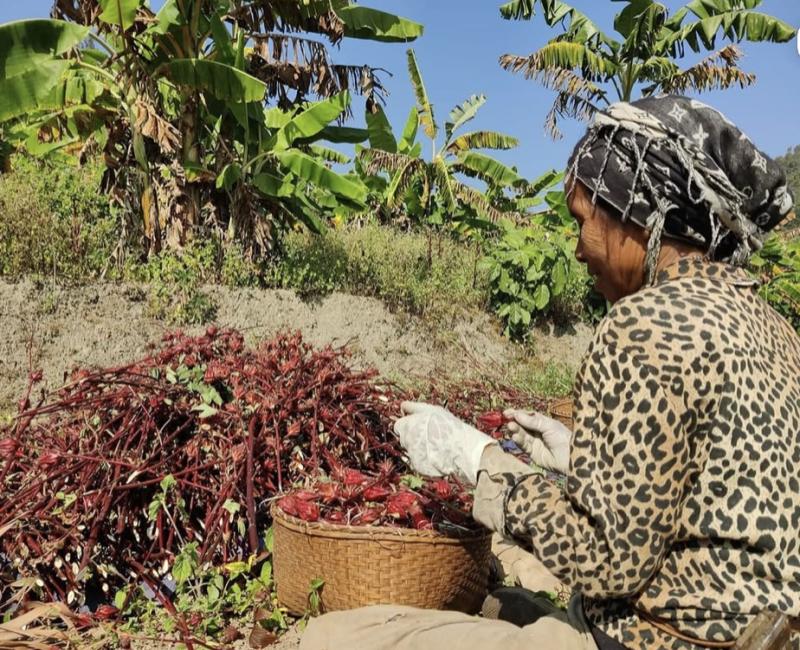 Photo courtesy : Dweller Teas
Placed side by side, these enterprises illustrate distinct strategies. Dweller Teas emphasizes cultural preservation and community-based resilience, while Latumoni highlights adaptation through self-learning, technology, and grassroots employment. Together, they reveal how authenticity and digital platforms are becoming powerful strategies for expansion, even as rural entrepreneurs confront structural barriers in global trade.
Initiatives like the Annapurna seed bank also called ‘Annapurna Library’, the first indigenous seed saving library of Northeast India located in Meleng of Jorhat district in Assam has been set up to help secure indigenous variety of seeds, as well as to help withstand climate changes and preserve the rice varieties for later generation. Across India’s diverse rural economies, small enterprises are finding ways to carry tradition into modern and global markets. From tea and herbs to crafts, textiles, and indigenous foods, these ventures represent fragments of a much larger rural markets, through interviews, we see how rural enterprises are navigating the pressures of modern markets while staying rooted in tradition.
Dr. Vansanglura, the Program Lead of Northeast, SAMVA collective who has worked with MSMEs in Mizoram, Assam, and Meghalaya, explains: “In terms of starting new ventures, I have noticed that most of the rural entrepreneurs operate from skills and knowledge that have been inherited. There is an element of naturality to the process with which they start production processes.” This inherited base makes their products unique, but it also means many lack formal branding or digital presence.
He identifies the digital divide as one of the clearest distinctions between rural and urban enterprises, “The most obvious and apparent problem between these two groups is the digital divide. Rural entrepreneurs usually have underdeveloped brands (sometimes no branding at all) that don’t have or lack social media/digital market presence.” This observation aligns with Latumoni Tea’s reliance on YouTube tutorials to learn production techniques and Dweller Tea’s emphasis on building consistency and awareness in competitive markets. Technology, in his view, is not optional but essential
When considering entry into global markets, Dr. Vansanglura is pragmatic about the risks: “Global markets are extremely competitive. Only very few will be able to enter the global market and have instant success. Therefore, unique products that have a strong branding and social media presence could maybe survive in an oversaturated market, if it stands out above the rest.” Latumoni Tea’s struggle with certification costs and Dweller’s milestone of entering Walmart’s e-commerce platform illustrate the very hurdles and opportunities he describes.
The journeys of Latumoni Tea and Dweller Teas reflect a wider reality for rural enterprises across the Northeast, where inherited skills and cultural identity provide strong foundations but branding, certification, and digital presence remains a challenge.
Dr. Vansanglura’s observations explain these struggles clearly, noting that while rural entrepreneurs rarely struggle with quality, they face a digital divide and the weight of global competition. His emphasis on technology, storytelling, and cultural authenticity points to the tools that can help these enterprises stand out internationally. Taken together, these voices reveal a portrait of resilience and adaptability — local roots reaching outward, showing how tradition anchored in community can find its place in global markets.
Shinmichon Shimrah is currently pursuing a Bachelor’s degree in Mass Communication at Assam Don Bosco University. She has produced this feature as part of her internship at NEINE. She can be reached at [email protected].
 Navigations
  Quick Contact
 Subscribe Us
 Quick Mail