> Development > menstrual health


“I still remember the day I stained my dress while plucking leaves in the garden. I was only thirteen. I didn't even know what menstruation was. My supervisor scolded me in front of everyone. I cried that night, not because of the bleeding, but the shame.” — recalled 38-year-old Rupa, a tea garden worker in Dibrugarh.
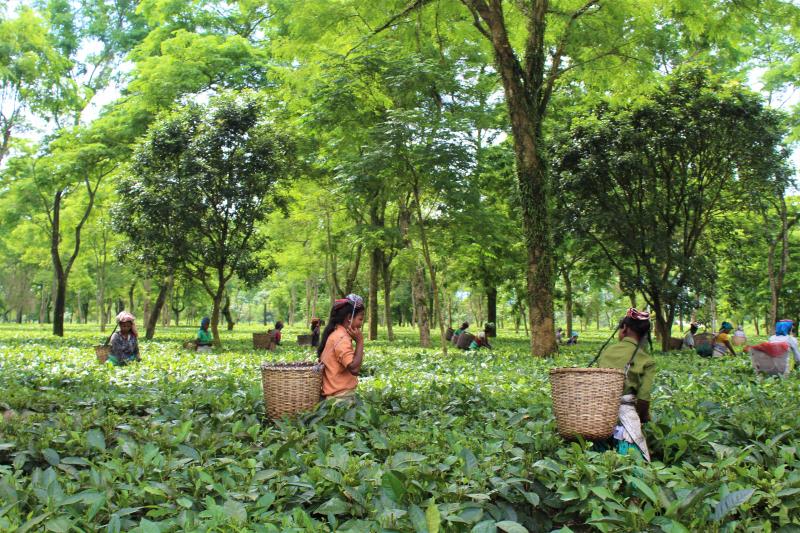
All over the tea estates of Dibrugarh, the women who make our morning cuppa possible are quietly waging a war every month. A war against not only physical pain, but stigma, silence and systemic neglect. Menstruation is a biological process, but the absence of awareness, education, healthcare, and dignity around menstruation makes it an experience that many women — particularly those from marginalized and rural communities — cannot do anything but view as traumatic.
A study conducted by this author in two tea gardens of Dibrugarh district revealed this. The study titled “Menstruation, Health and Hygiene: A comparative study among the Tea Tribe Communities of Dibrugarh” covered 30 respondents in the age group of 15-40 from each tea garden. This article peels back the layers of statistics and policy jargon to bring to light the raw, lived experiences of menstruating women in Dibrugarh’s tea garden belts — and the tragic normalcy of how their basic needs continue to be ignored.
Menstruation is natural — a sign of reproductive health, of a young girl’s entry into womanhood. But in many parts of Dibrugarh’s tea gardens, it is treated as a curse, a taboo, and a reason to feel ashamed.
In many households within tea estates, menstruating girls are told not to enter kitchens, temples, or even speak loudly in front of men. “My aunt once told me not to sleep on the bed when I was on my period. She said it would make the gods angry,” shared 16-year-old Maya from a tea estate in Dibrugarh. “I didn’t understand what I did wrong.”
NEZINE file photo
Such myths are not only false — they’re harmful. They isolate young girls, lower their self-esteem, and worsen their experience of an already uncomfortable time. When young girls experience their first period without even knowing what it is, the emotional trauma lingers long after the bleeding stops.
The study conducted in two tea estates in Dibrugarh revealed a shocking disparity in the experience of menstruating women — determined not by biology, but by access and attitude. In Estate A, where the estate management ensured regular awareness sessions, sanitary pads were made available at affordable prices. Healthcare workers routinely visited to monitor reproductive health. “We talk about periods like we talk about the weather,” said one woman.
“Earlier, we used cloth rags. But now we know better.”
In Estate B, however, the reality was grim. Women still used old, unwashed cloth pieces —hidden behind the bathroom door, reused multiple times without drying in sunlight. There was no proper waste disposal system. Healthcare workers rarely visited, and most women didn’t even know what a urinary tract infection was. Yet, they suffered from it regularly. “Once, I had severe stomach pain and missed work for days. When I went to the local healer, he said I had bad blood,” said 28-year-old Deepa. “No one told me it could be an infection from dirty cloth.”
In rural and underdeveloped tea garden belts of Dibrugarh, lack of sanitation is not a minor inconvenience — it is a crisis. The absence of clean water and safe toilets forces women to manage menstruation in degrading conditions.
Women in Estate B complained about open defecation, absence of dustbins, and no access to pain relief. The women often bled silently while working long hours under the sun. “We have to work even on the worst day of our periods. There’s no leave. If we stop, our wage is cut,” said a woman in her forties. “So, we just bear the pain.”
NEZINE file photo
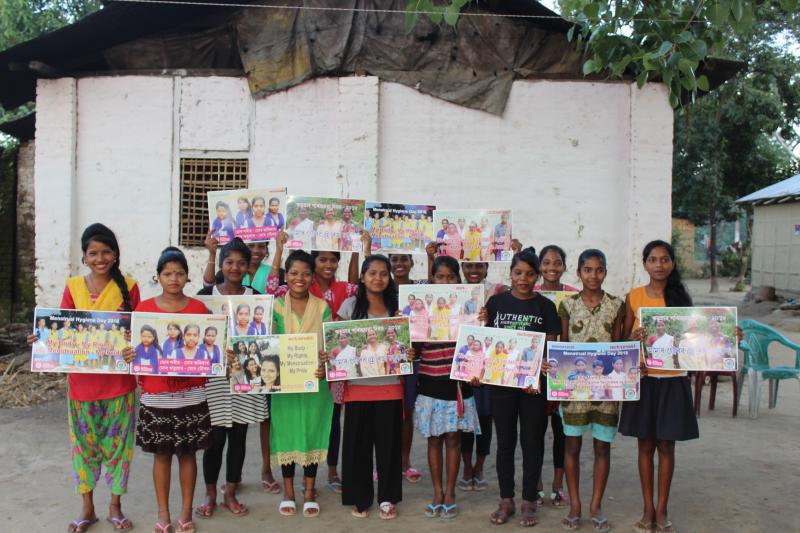
In contrast, women in Estate A had separate washrooms, access to water, and even a menstrual hygiene corner in the community center. But these small wins were the result of relentless efforts by NGOs and a more sensitive estate management. In other words, the difference wasn’t in the women — but in the system that either helped or ignored them.
Girls in Estate A had attended sessions in school about menstruation and hygiene. They were taught how to use sanitary pads, how to track their cycles, and when to seek medical help.
“Earlier, girls would skip school when they got their period. Now, they come even on their second or third day,” said a teacher.
Estate B, however, lacked such interventions. “We don’t talk about periods. My daughter learned from her friend,” said a mother. “I didn’t know what to tell her.”
The result? Continued shame, wrong practices, poor hygiene, and an ongoing cycle of silence. The community’s culture treated menstruation as something impure — a family secret not to be discussed, especially in front of boys or men. Girls grew up confused and fearful, not just of blood, but of themselves.
Menstrual disorders, infections, and reproductive issues were more common in women from Estate B. “Many women came with pelvic pain and irregular cycles,” said a health worker who occasionally visited the area. “But most of them had never spoken to a doctor about it. They thought it was normal.”
The truth is — it’s not.
Poor menstrual hygiene can lead to serious conditions like reproductive tract infections (RTIs), urinary tract infections (UTIs), and even infertility. But because women are not empowered to speak about it — many suffer in silence, thinking their pain is their fate.
While physical pain is easier to recognize, the emotional scars of growing up with shame around one’s body run deeper. Girls who are made to feel dirty or secretive during their periods often carry a damaged sense of self into adulthood.
“I used to feel I was not normal. That something was wrong with me,” said a 19-year-old from Estate B. “Only later I realized that what was wrong was the way people treated me.” The study found that women in communities with better education and open discussions about menstruation showed higher confidence, better mental health, and more assertiveness. They asked questions, sought healthcare, and refused to accept taboos that hurt them.
Menstrual health is not just a women’s issue. It’s a human rights issue.
1) Access to Products: Affordable sanitary products must be made available in all rural and tea garden areas. Distribution should not be once-a-year charity drives but a regular, reliable system.
2) Education Programs: Schools, health workers, and community leaders must openly educate girls and boys about menstruation — removing the mystery and shame surrounding it.
3) Healthcare Access: Regular reproductive health check-ups, proper sanitation, and mental health support must be part of basic infrastructure in these areas.
4) Community Dialogue: Men must be part of the conversation. Ending stigma is only possible when entire communities — not just women — acknowledge menstruation as natural and normal.
Every girl deserves to bleed with dignity — not in silence, not in shame. The difference between stigma and support can be a pad, a lesson, a conversation. In Dibrugarh’s tea estates, there are still too many Rupa’s and Maya’s who grow up hiding their blood, their pain, and their questions. It’s time we stop romanticizing rural womanhood and start addressing the structural inequalities they live with — every 28 days.
 Navigations
  Quick Contact
 Subscribe Us
 Quick Mail