> Photograph > Photo Story


This summer, instead of heading home or taking a break, I found myself on a different kind of journey — one that led me deeper into the roots of my identity. Armed with a camera, a notebook, and a desire to reconnect with the land I come from, I set out to explore the vibrant cultures, diverse tribes, and breathtaking landscapes of Arunachal Pradesh.
What I found was not just beauty — but rhythm, tradition, memory, and pride. This hoto essay is a small attempt to capture the spirit of my home state through the lens of everyday life, rituals, festivals, and the land itself.
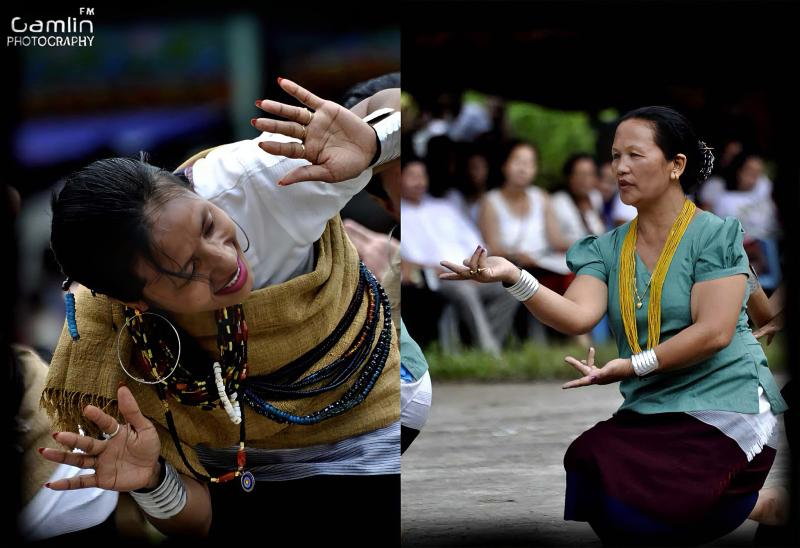
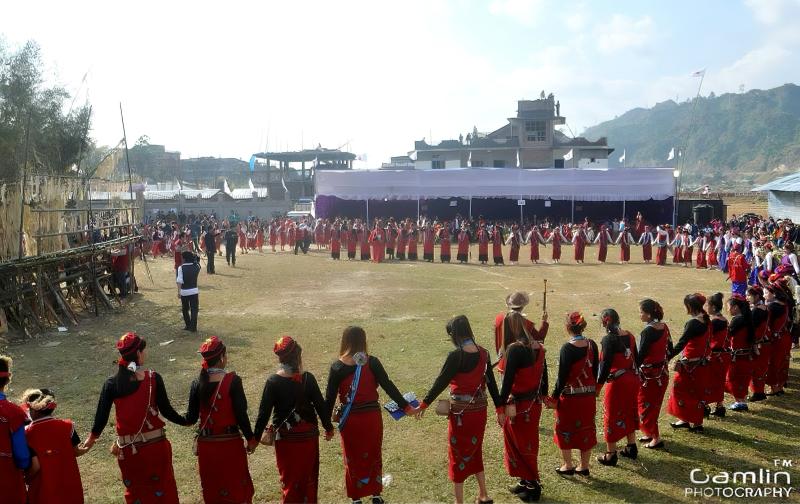
Apatani women dressed in traditional attire performing the Dree Festival dance.
Nestled in the heart of Arunachal, Ziro Valley serves as home to the Apatani tribe — known for sustainable farming techniques as well as detailed handloom and facial tattoos (in older generations). I observed women in customary clothes assembling in elegant circles to dance at the Dree festival since their movements matched the folk tunes reverberating across the valley. One Apatani elder told me that “You should visit during the harvest too.” At that moment, we watched the festival dancers.
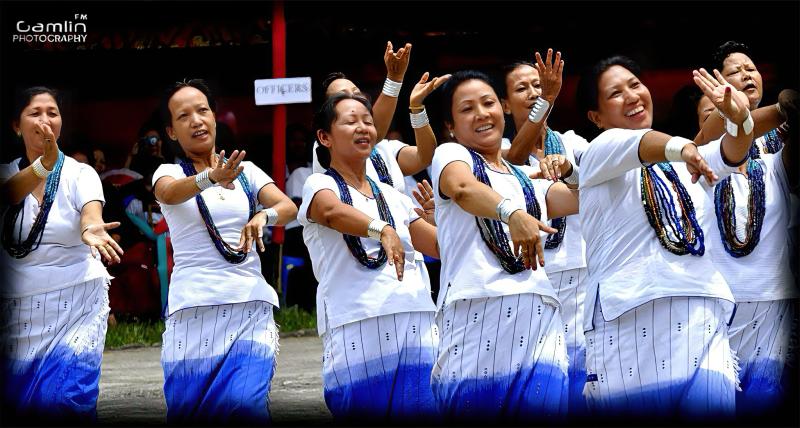
A moment of synchronized movement during Dree.
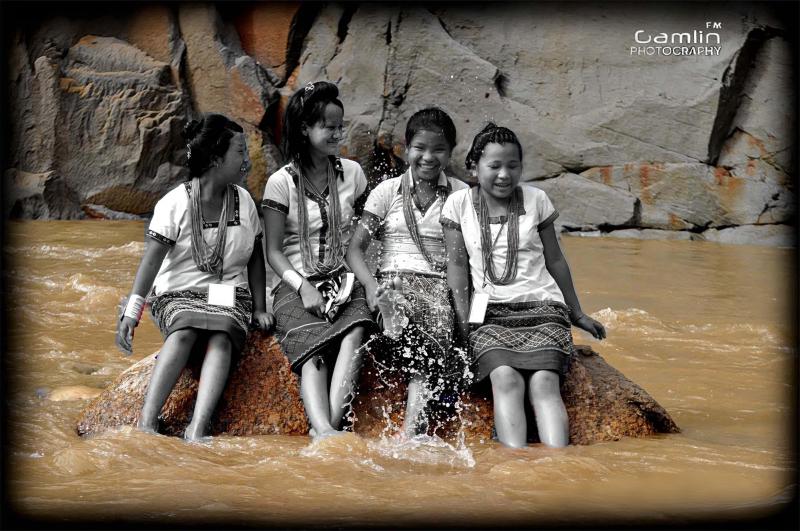
Young Apatani girls in the festive mood.
Ziro, with its bamboo houses, has an old-world charm plus golden paddy fields which feel alive still. I walked through all of the villages, so I could see how traditions adapted yet remained rooted a balance that defines the Apatani spirit.
I got to Ziro using a shared Sumo coming from Naharlagun, and this ride lasted almost six hours. I went through Potin and Yazali, and it offered stunning views of the hills. Buses that are regular are available from both Itanagar and Naharlagun. Hired cars can be found there as well.
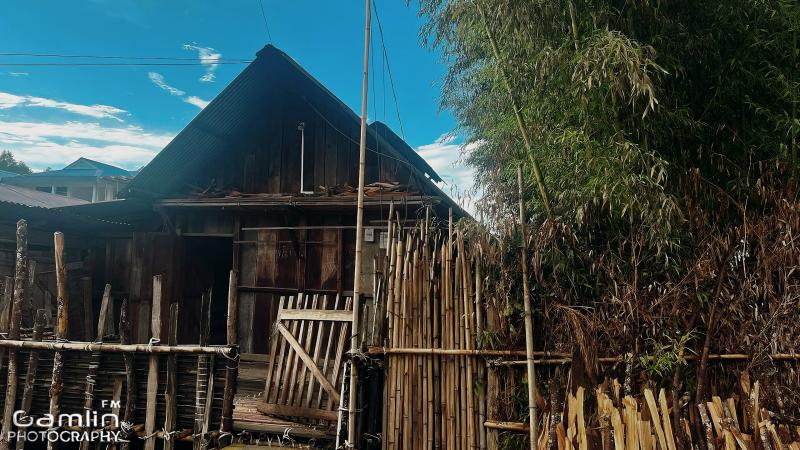
Traditional bamboo houses dotting the scenic Ziro Valley.
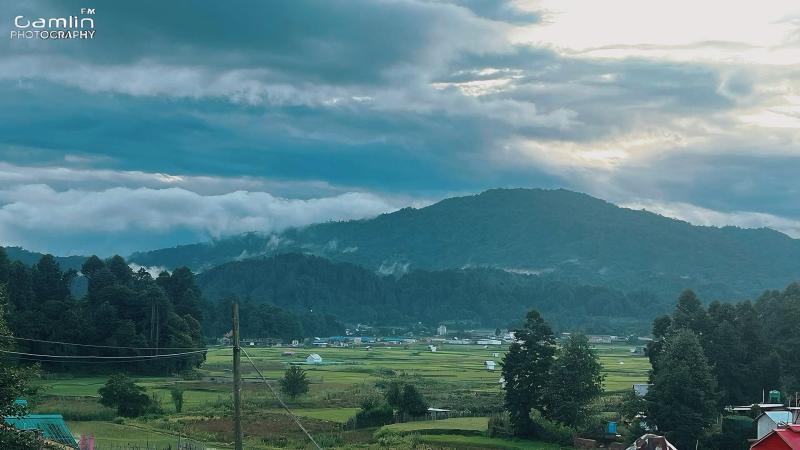
Golden paddy fields glowing under the valley sun.
Further west, the town of Daporijo buzzed with energy during the Si Donyi festival — a major celebration among the Tagin people, honoring the Sun and Moon deities. I arrived just in time to witness the community dance, where participants formed large, moving circles — laughing, singing, celebrating the harmony between nature and faith.Tagin community celebrating Si Donyi through traditional circular dance. The surrounding hills were blanketed by clouds, and this detail added a mystical atmosphere to the setting. Time seemed to pause completely for a moment. The ancient chants and the drumbeats carried within them voices from past generations.
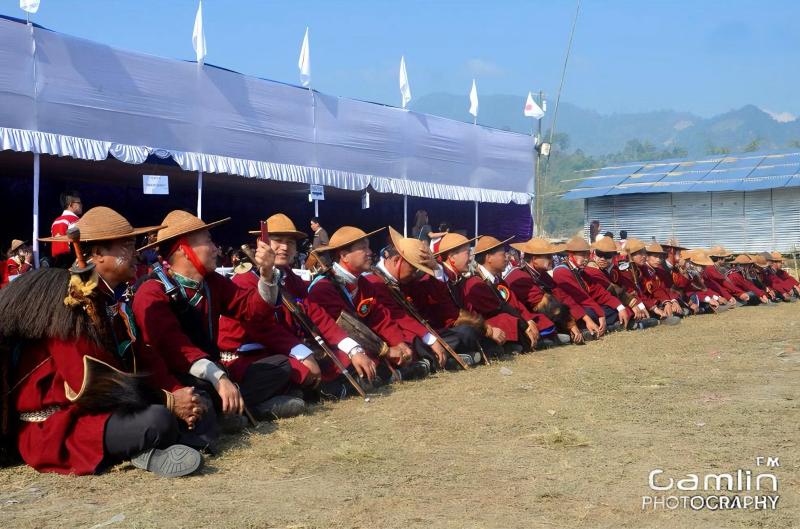
Participants move in unity during the Sun and Moon worship festival
I traveled to Daporijo by way of a Shared Sumo from Itanagar. Buses from Ziro as well as Along are also available. Because the road goes through hills and thick forests, the adventure feels like it is part of the experience.
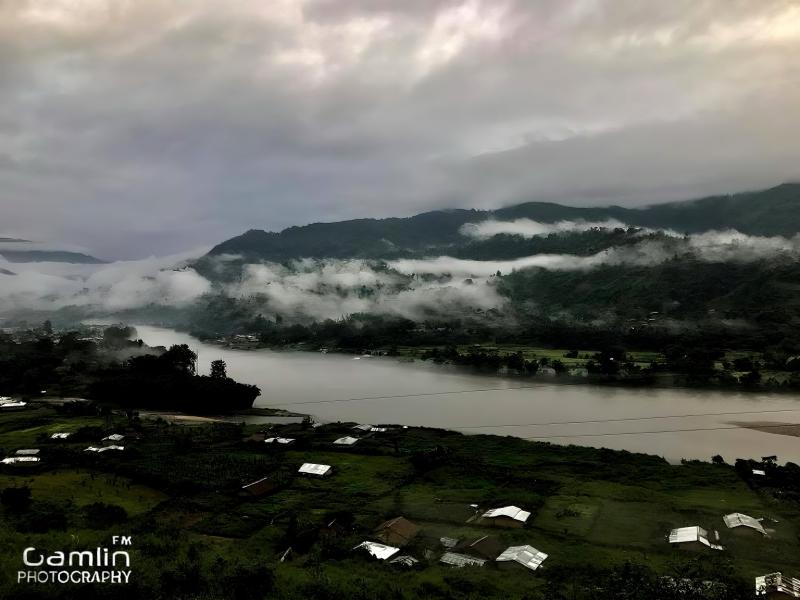
A misty morning view of Tagin country.
In Bordumsa, in a small yet energetic town near to the Assam-Arunachal border, I joined with the Singpho community when they grandly celebrated Shapawng Yawng Manau Poi. The festival was nothing short of mesmerizing, with coordinated dance formations. Embroidered shawls along with customary headgear were also part of the spectacle.
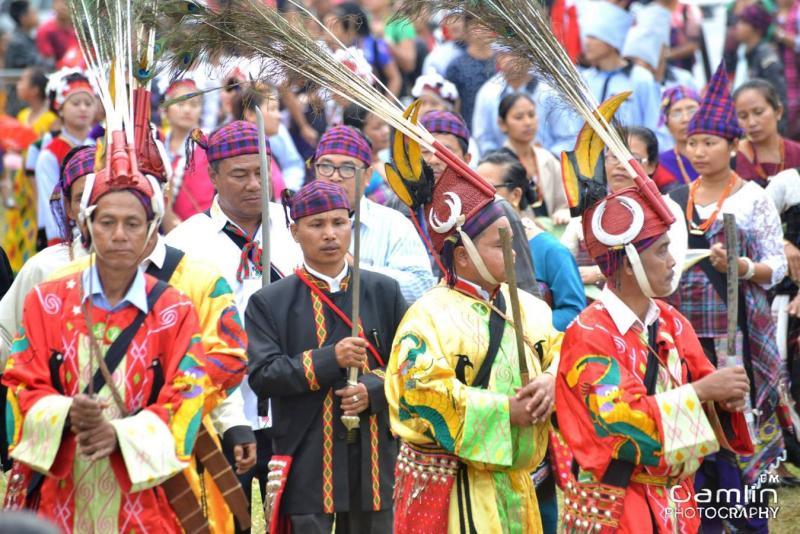
Singpho dancers in vibrant traditional wear during Shapawng Yawng Manau Poi
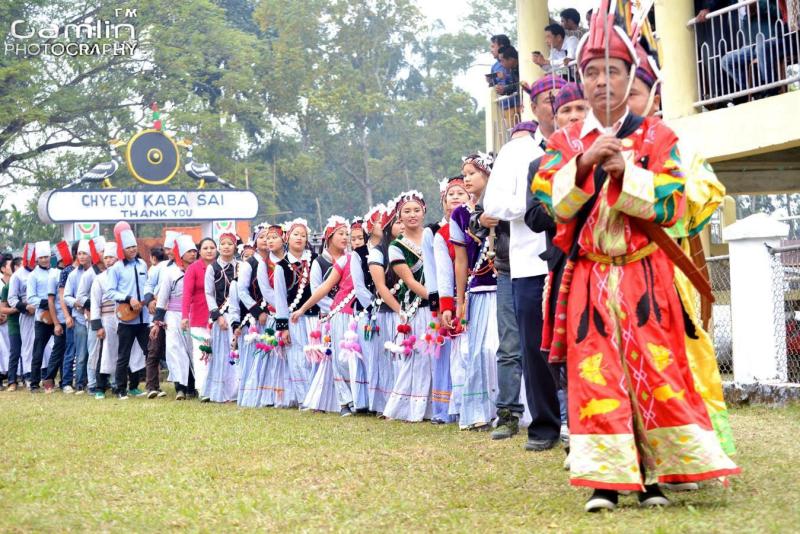
Colourful shawls and energetic steps mark the celebration.
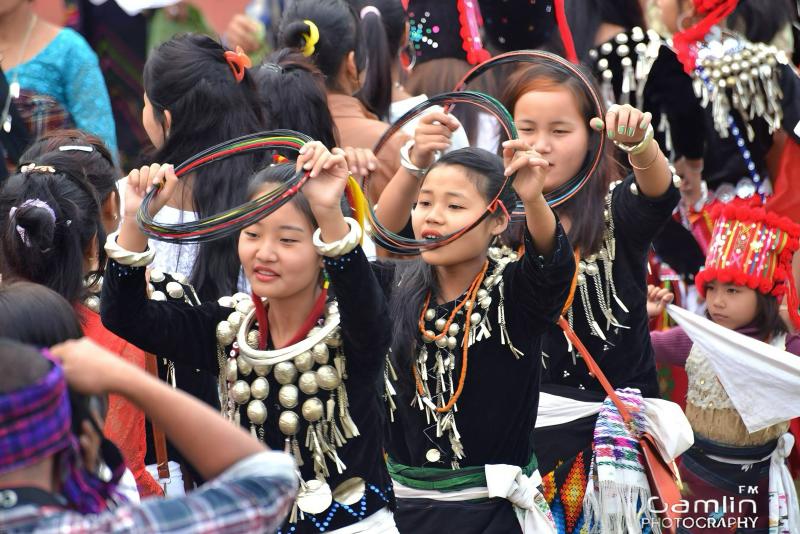
A joyous expression of cultural identity
I stood in awe at the tall monument that marked the center of the festival ground — a space not just for celebration but for cultural pride. From above, the village unfolded like a patchwork of life, unity, and joyful noise.
I got to Bordumsa from Tinsukia through a shared cab ride of a time that was just under two hours. Local buses are available for transport, or a taxi can be hired. One can hire one from Dibrugarh or nearby Doomdooma. The road is smooth as it is flanked by tea gardens as well as forests, so this offers a calm preview before the celebrations.
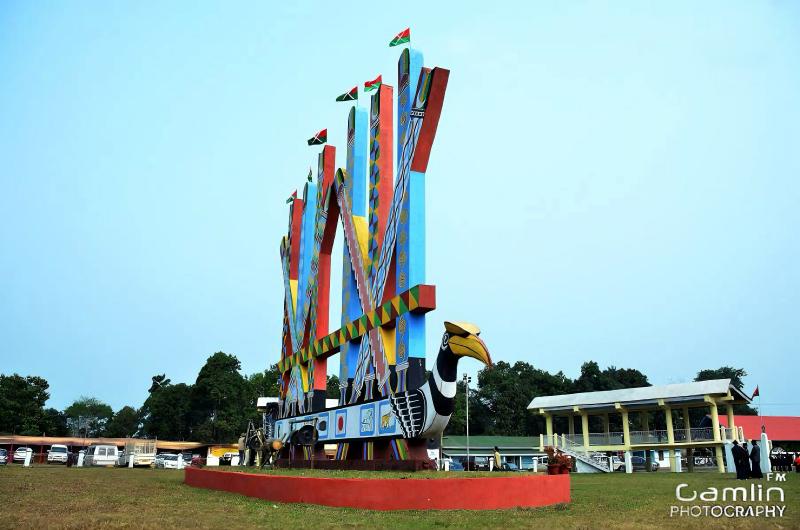
The symbolic monument at the heart of the Singpho celebration ground.
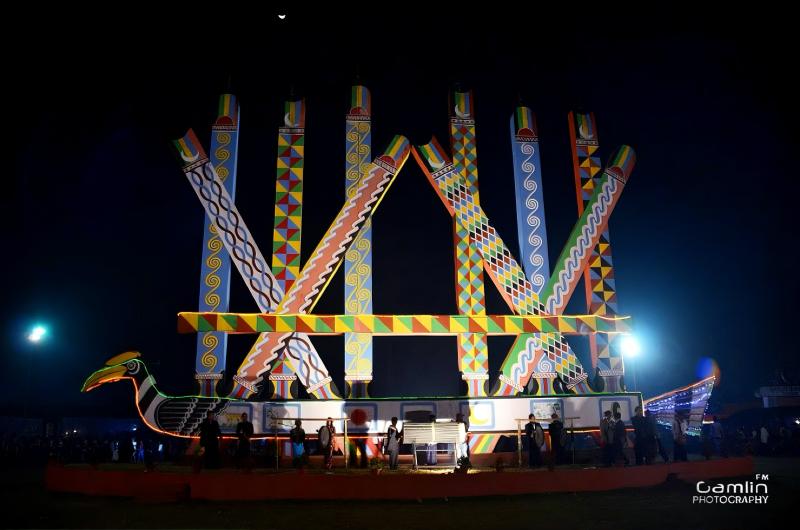
A cultural landmark dedicated to unity and tradition
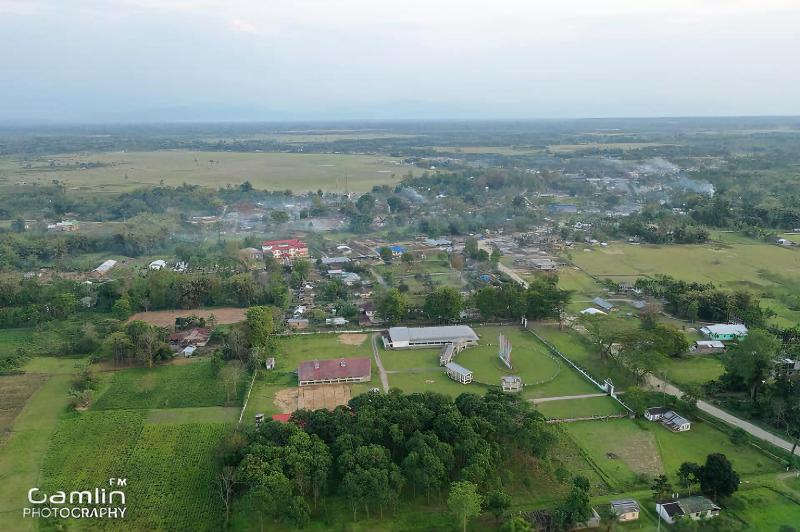
Bordumsa from above: the beating heart of the Singpho community.
Tai Khampti & Singpho Traditions Water flew in every direction — along with laughter, flowers, and prayers. Celebrated by both the Tai Khampti and Singpho communities, Sangken is a water festival symbolizing purification and the start of the new year. A smiling monk, robes slightly damp from the water, told me, “We cleanse not just our bodies—but also our thoughts.”
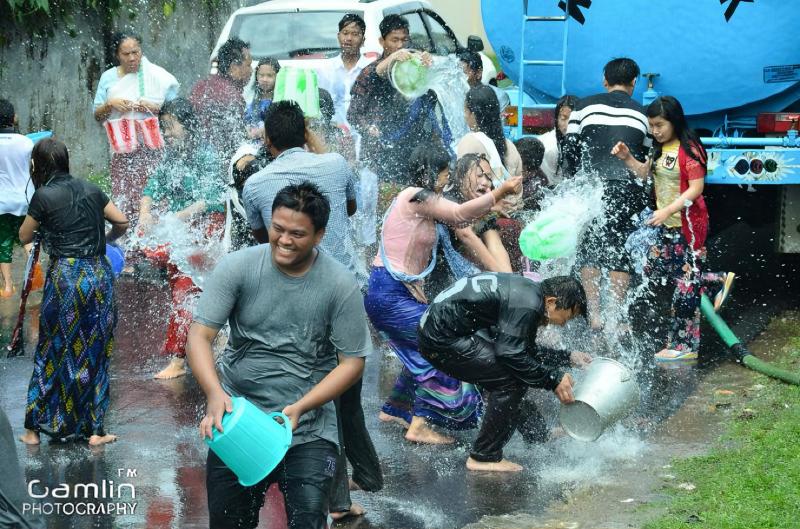
The joy of cleansing rituals during Sangken
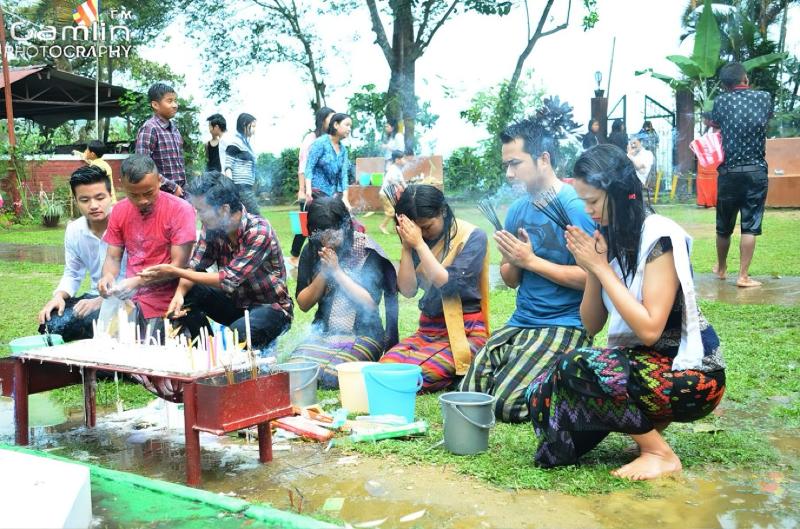
Prayers, water, and flowers — symbols of a fresh start
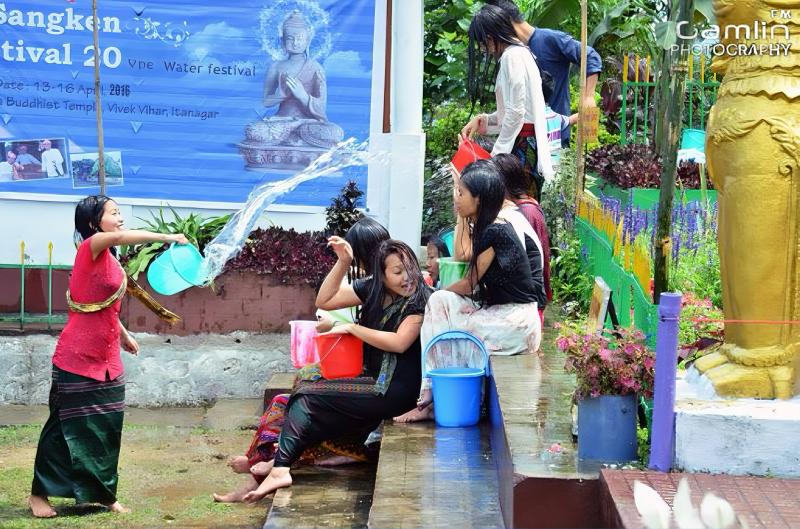
A young girl pours water on elders as a gesture of respect and renewal.
joined in the rituals — people pouring water on each other, visiting temples, offering prayers. In the humid heat of the Northeast, it was more than refreshing. It was a sacred cleansing — a chance to reset, to be joyful, to feel new again.
I reached Namsai (the hub of Tai Khampti culture) via bus from Tinsukia, Assam. From there, smaller vehicles and shared taxis connect to surrounding villages. You can also access Bordumsa, where many Singpho celebrate Sangken, from Doomdooma or Dibrugarh by road.
Tucked away in West Siang district, Mechuka is a place that feels almost untouched by time. Snow-kissed mountains guard the valley like ancient spirits, while a cold river slices through the silence.
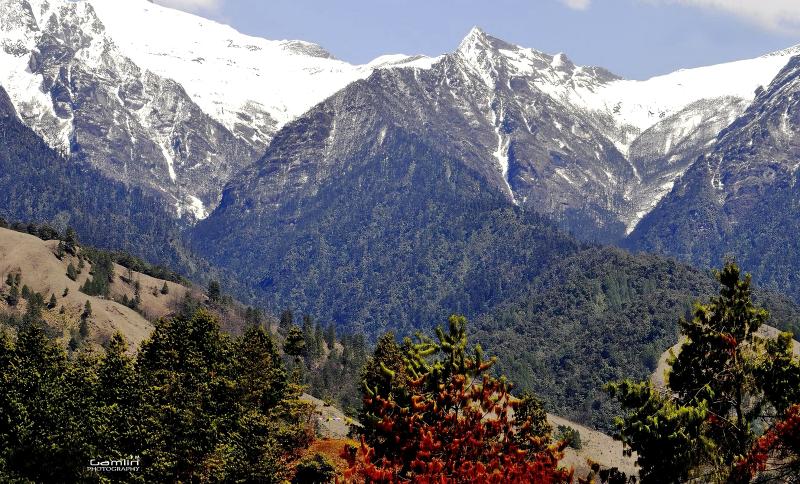
Snowy peaks surrounding the Mechuka valley
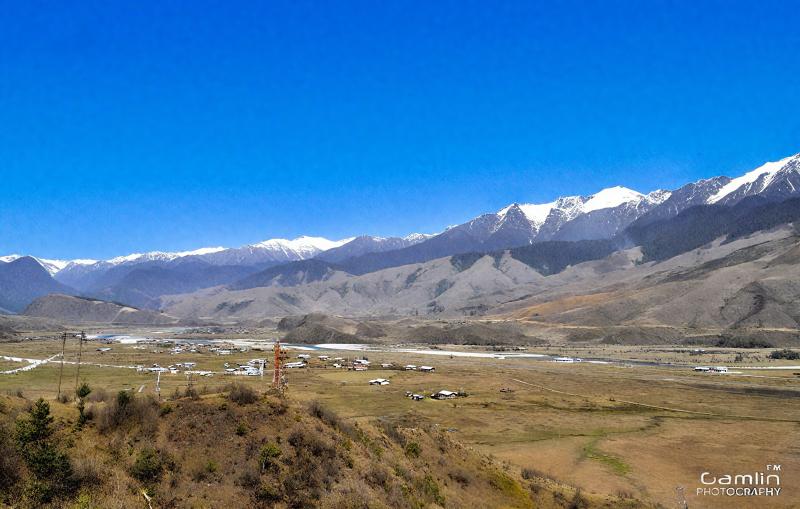
A sacred quietness — the spirit of Mechuka
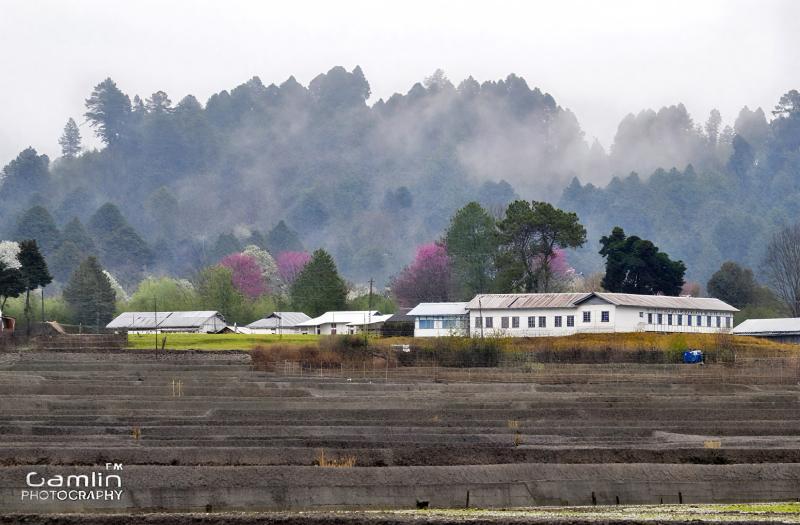
Hills wrapped in clouds, whispering ancient stories
I spent a few days just watching the skies shift from blue to stormy grey, hiking quiet trails, and sitting in solitude among prayer flags that fluttered like soft whispers. Locals say Mechuka
means “medicinal water” — and perhaps, in a way, this place really does heal you.
I reached Mechuka from Daporijo—a memorable route that is wide-ranging. From Daporijo to Aalo, I rode a shared Sumo. The ride to Aalo takes around 7–8 hours dependent upon road conditions so from Aalo, I took another Sumo to Mechuka.
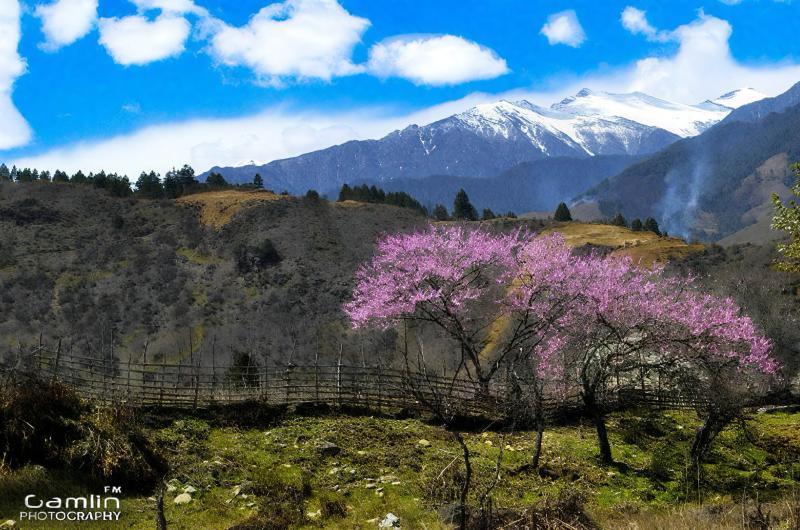
Nature’s perfect harmony
This journey — across cultures, villages, hills, and rivers — reminded me of the quiet strength and vibrant diversity of Arunachal Pradesh. These aren't just beautiful places or colorful festivals. They are living traditions, held together by community, by memory, and by pride. As someone who often feels caught between modern life and ancestral roots, I found myself at home in these stories. I only hope that through these photos, you too can glimpse the heartbeat of my homeland— wild, grounded, and quietly magnificent.
 Navigations
  Quick Contact
 Subscribe Us
 Quick Mail